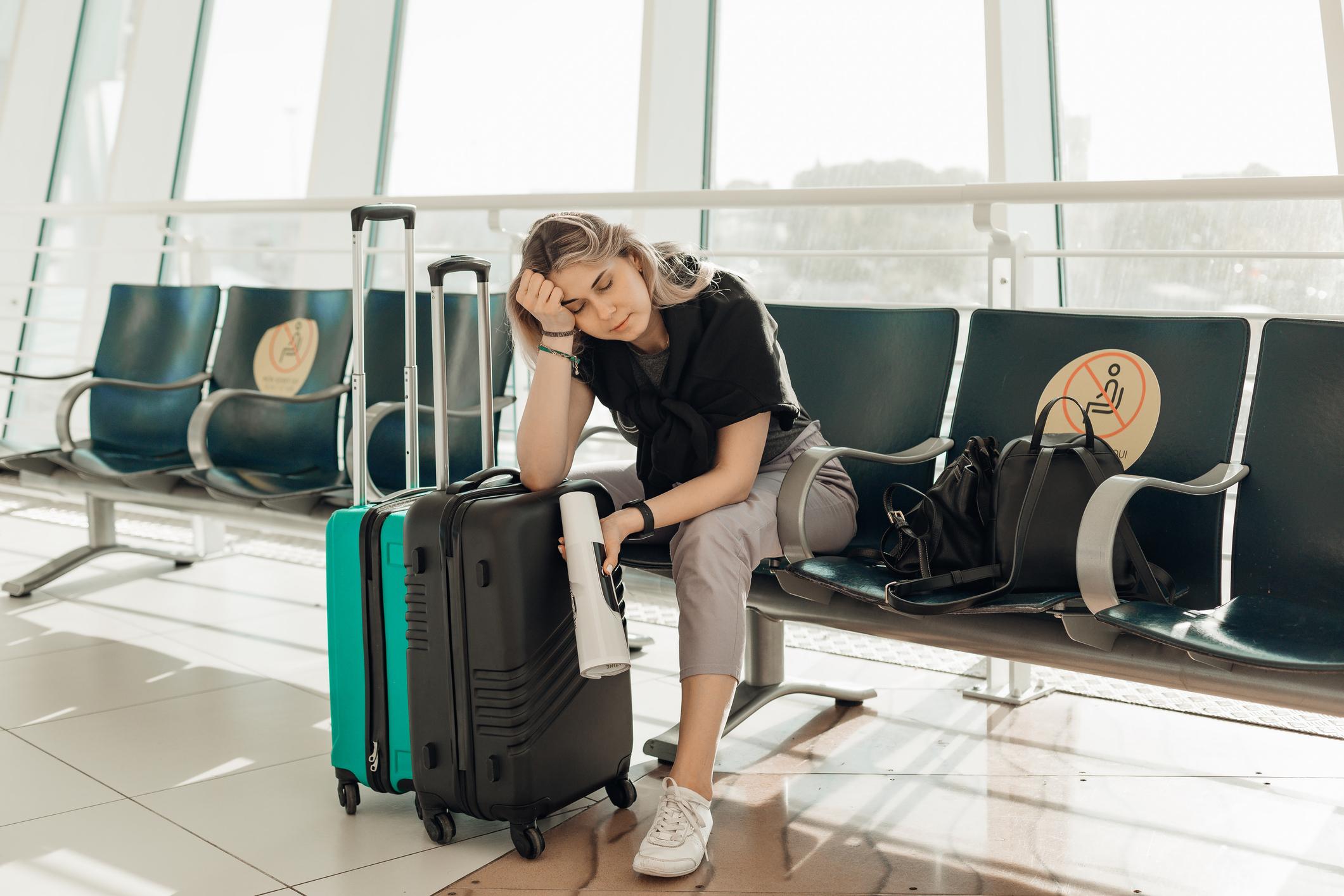
Summer is supposed to feel lighter, but for many people, it can leave the body feeling more tired, inflamed, or out of rhythm. Between late nights, vacations, outdoor events, heat waves, travel, dehydration, and schedule changes, your immune system may be working harder than you realize.
Your immune system does not operate separately from the rest of your life. Sleep, stress, hydration, nutrition, medications, allergies, and chronic conditions can all affect how your body responds to germs, inflammation, and recovery. For people who already have immune-related concerns, summer can bring both opportunities and challenges.
Your Immune System Likes Routine More Than You Think
The immune system works best when the body has enough rest, hydration, nutrition, and recovery time. Summer often disrupts all of these at once.
Late nights, travel days, skipped meals, dehydration, and increased alcohol or sugary foods can leave the body feeling more vulnerable. This does not mean one vacation will “weaken” your immune system, but repeated stress on the body can make it harder to recover, especially if you are already dealing with asthma, allergies, autoimmune symptoms, or recurrent infections.
Heat Can Put Extra Stress on the Body
Hot weather affects more than your comfort level. When your body works hard to cool itself, you may feel more fatigued, dehydrated, or physically stressed.
The CDC recommends drinking plenty of non-alcoholic fluids, wearing loose and lightweight clothing, resting in the shade, and planning outdoor activities during cooler parts of the day to reduce heat-related illness risk. These steps may sound simple, but they are especially important for people whose bodies are already managing chronic inflammation, asthma, allergies, or immune concerns.
Travel Can Expose You to More Germs and Triggers
Summer travel can be exciting, but it also brings more exposure to crowds, airports, hotels, new foods, different climates, and inconsistent sleep. For people with weakened immune systems, CDC travel guidance recommends planning ahead and packing items such as masks, insect repellent, sunscreen, hand sanitizer, and water disinfection tablets depending on the destination.
Even if you are not immunocompromised, a little preparation can help. Pack your medications, bring hand sanitizer, stay hydrated, and avoid waiting until symptoms are severe to seek care.
Sleep Changes Can Affect Recovery
Sleep is one of the most underrated parts of immune health. During sleep, the body repairs, regulates inflammation, and supports immune memory.
Summer schedules can make sleep harder. Longer daylight hours, travel, kids being out of school, late-night events, and heat can all interfere with rest. If you notice you get sick after every busy weekend or trip, your recovery habits may need attention.
Try creating a simple summer sleep reset: keep a consistent bedtime when possible, cool your room, limit late caffeine, and give yourself at least one slower recovery day after travel or major events.
Allergies Can Make Your Immune System Feel “On Edge”
Allergies are immune responses. When your body reacts to pollen, mold, dust mites, or other triggers, it can create inflammation that affects your nose, sinuses, lungs, skin, and energy levels.
This is why untreated allergies can make you feel drained, congested, foggy, or constantly unwell. If you are blaming every symptom on a cold, but symptoms last for weeks or flare around certain environments, allergies may be part of the immune story.
Actionable Summer Immune Support Tips
You do not need an extreme wellness routine to support your immune system. Start with basics that are realistic.
- Stay hydrated, especially during heat waves.
- Prioritize sleep after travel or busy weekends.
- Keep allergy and asthma medications consistent.
- Wash hands regularly during travel.
- Avoid sharing drinks or utensils when illness is circulating.
- Wear sunscreen and protective clothing outdoors.
- Keep routine vaccines up to date.
- Listen to your body when fatigue or symptoms build.
If you have known immune issues, ask your provider what extra precautions make sense for your health history.
When to Talk to an Immunology Specialist
If summer always seems to leave you sick, inflamed, exhausted, or dealing with recurring infections, it may be time for a deeper evaluation. An immunology specialist can help determine whether your symptoms are related to allergies, asthma, immune deficiency, autoimmune activity, or another underlying concern.
If you feel like your body struggles to keep up during the summer, schedule a visit with AAIC. We can help evaluate your symptoms and create a plan that supports your immune health.