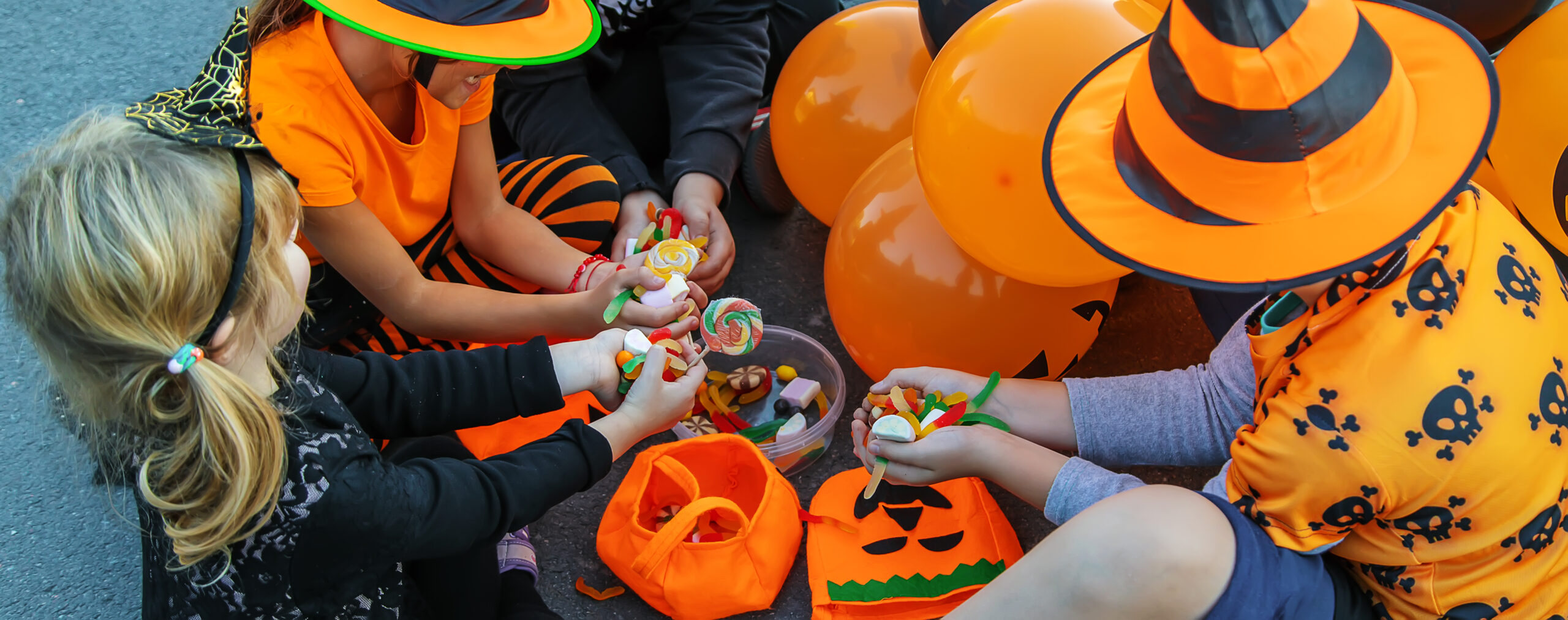
Behind the fun-sized wrappers and bright colors, Halloween candy can carry hidden risks for kids with allergies. Even treats that seem harmless — like gummies or lollipops — may contain hidden allergens or be processed in facilities with peanuts or dairy. With millions of children managing food allergies, Halloween requires both vigilance and creativity. Here’s how parents can uncover those “hidden dangers” and make the holiday safe.
1. Why Hidden Allergens Are a Real Threat
Food allergies aren’t just about obvious ingredients like peanut butter cups. Manufacturers often use shared equipment or change ingredients in seasonal products without warning. Even small amounts of cross-contamination can cause reactions. This means parents need to approach Halloween candy with the same caution they would any food outside their home.
2. Decoding Candy Labels Like a Pro
Food labels are your first defense, but they can be tricky. Look for:
- Contains statements (direct allergens like milk, peanuts, soy).
- May contain or processed in a facility warnings (cross-contact risks).
- Ingredient swaps in seasonal candy (mini versions may not match full-size).
Parents should practice checking labels ahead of time so kids don’t feel the pressure while trick-or-treating.
3. The Surprising Places Allergens Hide
Many candies contain unexpected allergens:
- Marshmallows and gummies → may contain egg whites or gelatin.
- Hard candies → often use food dyes that cause sensitivities.
- Chocolate minis → frequently produced on nut-containing lines.
- Caramels → usually have milk or butter, even if not obvious.
Even simple lollipops sometimes share facilities with nut-based candies.
4. Cross-Contamination: The Overlooked Danger
Even if the candy itself is safe, handling can introduce risks. Bulk candy bins, party bowls, or even trick-or-treat bags can mix allergens. Teach kids to:
- Collect candy in a separate bag.
- Wash hands before touching safe snacks.
- Let parents check before swapping with friends.
This may sound strict, but it’s often the difference between a safe night and an emergency room visit.
5. Allergy Action Plan: Preparing for Emergencies
Preparation is power. Parents should:
- Carry at least two epinephrine auto-injectors if prescribed.
- Have antihistamines on hand for milder reactions.
- Review your child’s Allergy Action Plan before Halloween.
- Make sure older kids and babysitters know how to use an EpiPen.
When kids see adults calm and prepared, it reduces their own anxiety.
6. Empowering Kids to Take Charge
The goal isn’t just protection, it’s teaching kids to advocate for themselves. Encourage children to:
- Politely decline candy without labels.
- Ask questions if they’re unsure.
- Always wait for a parent to approve candy.
You can frame these skills positively, like being a “superhero with allergy awareness powers.” It makes them feel proud instead of limited.
7. Building a Safe but Fun Halloween Tradition
Halloween doesn’t have to revolve around candy. Families are creating new traditions that feel just as exciting, like:
- Hosting a costume contest with friends.
- Making DIY allergy-friendly treats at home.
- Trading candy for prizes like books, toys, or experiences.
When kids see Halloween as about fun, friends, and memories rather than only candy, they feel less left out.
Don’t let hidden allergens ruin your family’s holiday fun. Talk to AAI-C today about testing, allergy management strategies, and creating a personalized action plan for your child.