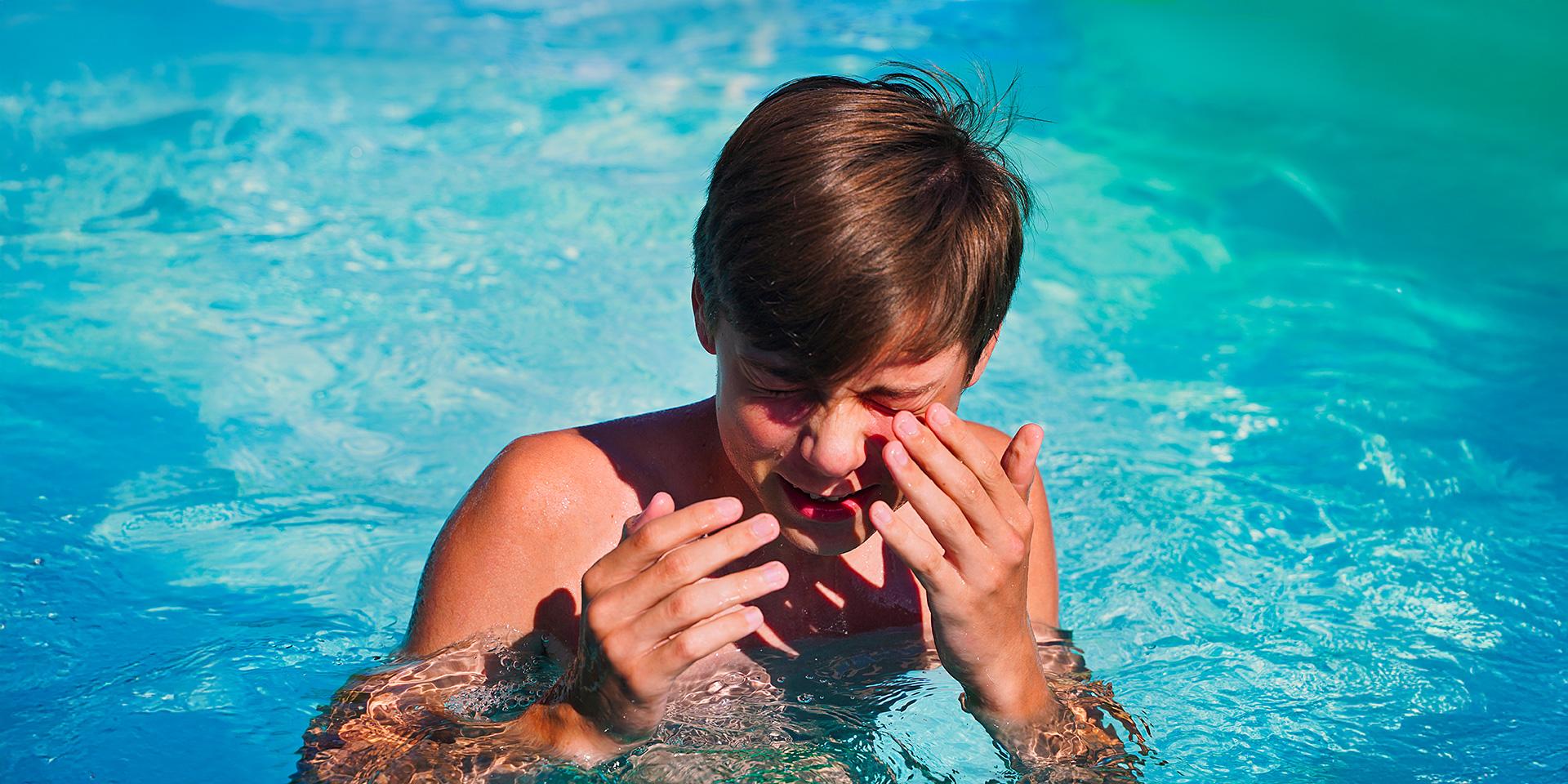
A pool day sounds like the perfect summer plan, until you leave with red eyes, itchy skin, a runny nose, coughing, or chest tightness. Many people assume they are “allergic to chlorine,” but the truth is a little more complicated.
Chlorine sensitivity is usually not a true allergy. It is more often an irritation reaction. Still, the symptoms can feel very real and very uncomfortable, especially for people with asthma, eczema, allergic rhinitis, or sensitive skin.
If you or your child often feels worse after swimming, it is worth paying attention. Pool chemicals, indoor pool air, wet swimsuits, sunscreen, heat, and existing allergies can all play a role.
Is Chlorine Allergy Real?
Most reactions to chlorine are not considered a true immune-system allergy. Instead, chlorine can irritate the skin, eyes, nose, throat, and lungs. This is why symptoms can look like allergies even when the immune system is not reacting in the same way it would to pollen, food, or insect venom.
That does not mean symptoms should be dismissed. Irritation can still trigger asthma symptoms, worsen eczema, or make nasal allergies feel more intense.
Possible chlorine-related symptoms include:
- Itchy, dry, or red skin
- Rash-like irritation
- Burning or watery eyes
- Sneezing or runny nose
- Coughing after swimming
- Wheezing or chest tightness
- Throat irritation
- Eczema flare-ups
AAAAI notes that summer can be a common time for skin rash flare-ups, including eczema and hives, and heat or sweat may worsen symptoms for some people.
Why Pool Water Can Irritate Skin
Chlorine helps keep pools clean, but it can also strip natural oils from the skin. When the skin barrier becomes dry or irritated, it may feel itchy, tight, rough, or inflamed.
This is especially important for people with eczema or sensitive skin. Their skin barrier may already be more reactive, so chlorine exposure can make flare-ups more likely.
Actionable tips:
- Rinse off before getting into the pool.
- Apply a gentle moisturizer before swimming if your skin is prone to dryness.
- Shower with clean water immediately after swimming.
- Moisturize again after showering.
- Avoid sitting in a wet swimsuit for long periods.
- Use fragrance-free products if you are prone to skin reactions.
A simple habit can make a big difference: rinse, swim, rinse, moisturize.
Chlorine and Asthma: Why Some People Cough After Swimming
Some people notice coughing, wheezing, or chest tightness after pool exposure. This may happen because chlorine fumes or chloramine byproducts can irritate the airways, especially around indoor pools or poorly ventilated pool areas.
For people with asthma, the airways are already more sensitive. Irritating fumes may be enough to trigger symptoms, even if the person is not allergic to chlorine.
Actionable tips:
- Pay attention to whether symptoms are worse at indoor pools.
- Choose well-ventilated pool areas when possible.
- Take breaks away from strong chemical smells.
- Avoid swimming when asthma is already flaring.
- Keep rescue medication nearby if prescribed.
- Speak with an asthma specialist if swimming regularly triggers symptoms.
Swimming can be a great activity for many people with asthma, but symptoms after swimming should not be ignored.
Red Eyes, Runny Nose, and Sinus Irritation After Swimming
If your eyes burn or your nose runs after swimming, chlorine may be irritating the mucous membranes. This can feel similar to seasonal allergies, but the timing often gives it away.
Ask yourself:
- Do symptoms start during or shortly after swimming?
- Are symptoms worse in heavily chlorinated pools?
- Do symptoms improve after showering and leaving the pool area?
- Do goggles or nose clips help?
- Do symptoms happen even when pollen counts are low?
If the answer is yes, irritation may be playing a role.
Actionable tips:
- Wear swim goggles.
- Avoid opening your eyes underwater.
- Rinse your face after swimming.
- Use saline nasal spray after pool exposure if recommended by your provider.
- Avoid heavily scented sunscreens or lotions that may add irritation.
Could It Be Sunscreen, Not Chlorine?
Sometimes the pool gets blamed when sunscreen, fragrance, preservatives, or other skincare ingredients are the real issue. Summer skin reactions can come from multiple exposures happening at once: sunscreen, sweat, heat, chlorine, wet clothing, and outdoor allergens.
This is especially true if the rash appears on areas where sunscreen was applied or where skin is exposed to sun and sweat.
Possible clues that sunscreen or skincare may be involved:
- Rash appears where product was applied
- Skin burns, stings, or itches shortly after application
- Reaction happens even without swimming
- Symptoms improve after switching to fragrance-free or mineral-based products
- Rash keeps returning with the same product
If reactions keep happening, an allergy specialist may recommend patch testing to help identify whether a specific ingredient is causing contact dermatitis.
When Pool Symptoms Need Medical Attention
Mild irritation may improve with rinsing, moisturizing, and reducing exposure. But recurring or severe symptoms should be evaluated, especially if breathing is involved.
Call a healthcare provider if:
- You wheeze or feel chest tightness after swimming
- Coughing lasts for hours after pool exposure
- A rash becomes painful, blistered, or widespread
- Skin symptoms keep returning after certain products or pools
- Your child avoids swimming because symptoms are uncomfortable
- You are unsure whether symptoms are asthma, allergy, eczema, or irritation
Seek urgent care if breathing becomes difficult, lips or face swell, or symptoms feel severe or sudden.
How an Allergy and Asthma Specialist Can Help
An allergy and asthma specialist can help separate irritation from allergy and identify what is actually triggering symptoms. This matters because the right treatment depends on the cause.
For example, asthma symptoms after swimming may require an updated asthma plan. Skin reactions may call for eczema care, barrier repair, or patch testing. Nasal symptoms may be related to allergic rhinitis, sinus irritation, or both.
Testing and evaluation may include:
- Asthma assessment
- Allergy testing
- Review of symptom patterns
- Skin evaluation
- Patch testing if contact dermatitis is suspected
- Treatment planning for summer exposures
The goal is not necessarily to avoid summer fun. The goal is to understand your triggers so you can enjoy activities with fewer symptoms.
If pool days leave you coughing, itchy, congested, or uncomfortable, AAIC can help you find out why. Schedule a consultation to better understand whether your symptoms are related to asthma, allergies, eczema, contact dermatitis, or irritation.