Hair coloring has become a routine part of many people’s beauty and grooming habits. From covering gray hair to experimenting with new styles, millions of people use hair dye every year.
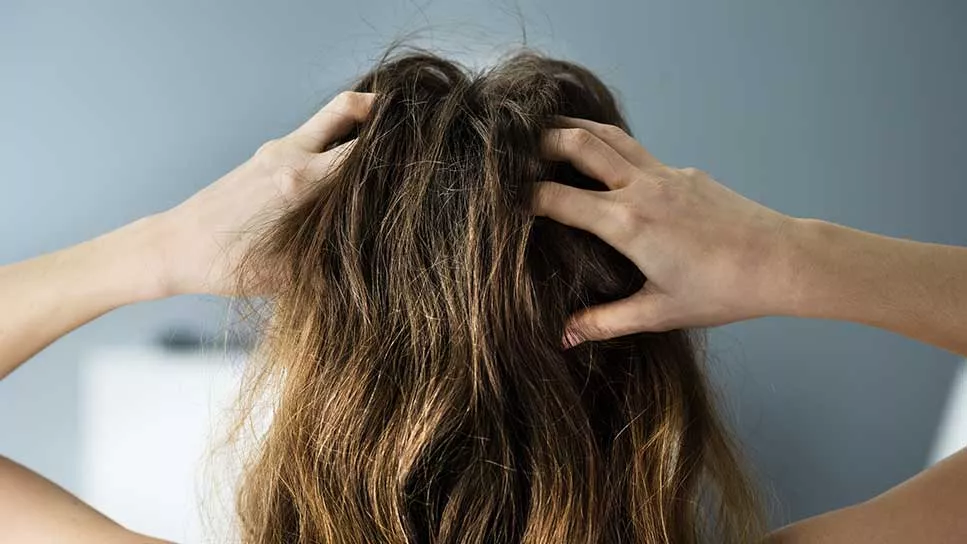
However, dermatologists and allergy specialists are seeing a growing number of patients experiencing skin reactions linked to hair dye products. What may begin as mild itching or redness can sometimes develop into a more serious allergic reaction known as allergic contact dermatitis.
The challenge is that many people do not immediately connect their symptoms to hair dye, especially when reactions appear hours or even days after exposure.This is where patch testing plays an important role. By identifying the specific ingredient responsible for the reaction, patch testing can help patients prevent future flare-ups and protect their skin.
Why Hair Dye Allergies Are Becoming More Common
Hair dye allergies are not new, but experts have noticed a steady increase in reported cases in recent years.
Several factors may be contributing to this trend. More people are coloring their hair regularly, including younger individuals experimenting with different styles. At the same time, many hair dyes contain powerful chemical ingredients designed to create long-lasting color, which may trigger allergic reactions in certain individuals.
Repeated exposure to these ingredients over time can also increase the likelihood of developing an allergy. Someone who has used the same product for years may suddenly develop a reaction because the immune system has become sensitized to one of the ingredients.For this reason, hair dye reactions can sometimes appear unexpectedly, even after years of using the same brand or product.
One of the most well-known allergens found in hair dye is a chemical called para-phenylenediamine (PPD).
PPD is commonly used in permanent and dark-colored hair dyes because it helps produce rich, long-lasting color. However, it is also one of the most frequent causes of allergic contact dermatitis related to hair coloring.
People who are allergic to PPD may experience symptoms such as:
- Itching or burning on the scalp
- Redness around the hairline
- Swelling of the scalp, eyelids, or face
- Rash on the neck, ears, or forehead
- Blistering or severe irritation in some cases
Because hair dye is applied close to the scalp and face, reactions can sometimes affect sensitive areas of the skin.
In more severe cases, individuals may develop significant swelling or widespread skin irritation, which requires medical evaluation.
Signs Your Skin Reaction Might Be Linked to Hair Dye
Hair dye allergies can sometimes be mistaken for other skin conditions, especially when symptoms appear gradually.
Common signs that your reaction may be related to hair dye include:
- Rash appearing after coloring your hair
- Itching around the scalp, ears, or neck
- Redness or irritation along the hairline
- Swelling around the eyes or face
- Persistent scalp irritation after salon visits
One reason these reactions are often overlooked is because contact dermatitis reactions are delayed.
Unlike immediate allergic reactions, symptoms may not appear until 24 to 72 hours after exposure, making it difficult to connect the reaction to the hair dye itself.
How Patch Testing Identifies Hair Dye Allergies
Patch testing is one of the most effective ways to identify whether hair dye ingredients are triggering your skin reaction.
During patch testing, small amounts of common allergens are applied to patches and placed on the skin, usually on the back. These patches remain in place for approximately 48 hours, allowing doctors to observe how the immune system reacts to each substance.
After the patches are removed, the skin is evaluated for signs of irritation or allergic response.
If a reaction occurs at the site of a specific ingredient such as PPD, doctors can confirm that the substance is responsible for the dermatitis.
This information allows patients to avoid the exact ingredient causing the reaction, rather than guessing which products might be safe.
Hair Dye Isn’t the Only Source of These Allergens
Many people are surprised to learn that hair dye allergens can also be found in other everyday products.
For example, PPD and related chemicals may appear in:
- Beard dyes
- Eyebrow or eyelash tinting products
- Temporary tattoos (especially black henna)
- Textile dyes used in clothing
- Certain cosmetic products
This means that identifying the allergen through patch testing can help patients avoid multiple potential triggers, not just hair dye.
For individuals who frequently color their hair or work in the beauty industry, this information can be particularly valuable.
What to Do If You Suspect a Hair Dye Allergy
If you notice skin irritation after coloring your hair, it’s important to stop using the product until the cause of the reaction can be identified.
Some helpful steps include:
- Avoid applying the suspected hair dye again
- Wash the affected skin gently with mild cleansers
- Avoid scratching irritated areas
- Seek medical evaluation if swelling or severe irritation occurs
An allergy specialist may recommend patch testing to determine whether the reaction is related to hair dye ingredients or another substance.
Once the allergen is identified, patients can often find alternative hair coloring options that do not contain the triggering ingredient.
Preventing Future Reactions
For individuals who enjoy coloring their hair, prevention is key.
Patch testing can help determine which ingredients are safe for your skin, allowing you to choose products that are less likely to cause reactions.
Your allergy specialist may also recommend:
- Carefully reading ingredient labels
- Avoiding products containing identified allergens
- Using professional salon products with safer formulations
- Testing new products before full application
These steps can help reduce the risk of future allergic reactions and protect your skin.
When to See an Allergy Specialist
If you experience repeated skin reactions after hair coloring, it may be time to consult an allergy specialist.
Persistent symptoms such as itching, redness, or swelling can significantly affect comfort and quality of life, especially when the trigger remains unidentified.
Patch testing provides a clear way to identify the cause of allergic contact dermatitis and develop a personalized strategy to avoid future flare-ups.
Schedule a consultation with our allergy specialists to learn whether patch testing can help protect your skin.