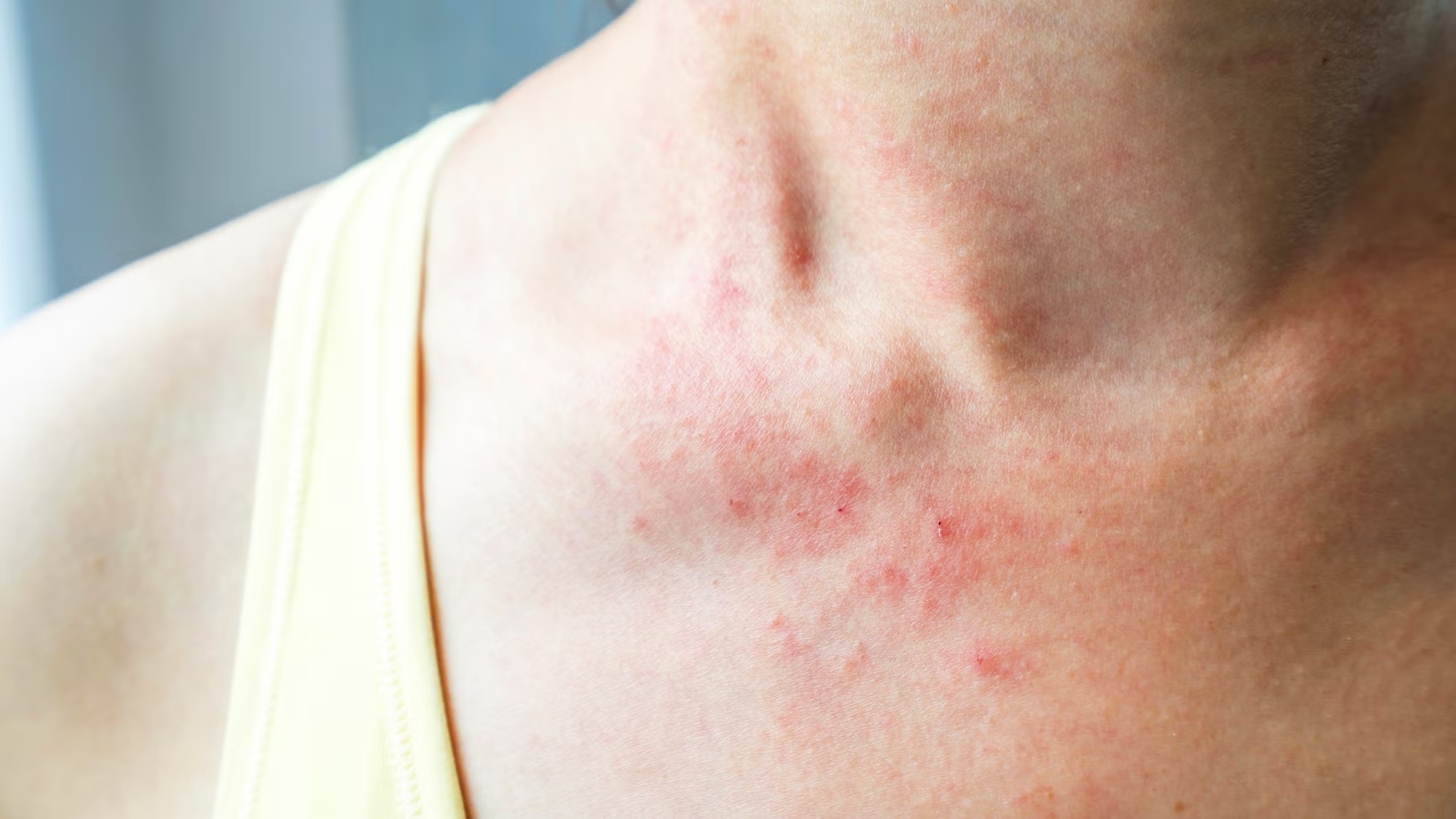
You treat the rash. It improves. Then a few weeks later, it’s back.
If this sounds familiar, you’re not alone. Recurring rashes are one of the most common reasons people seek allergy care. The frustrating part? Many triggers are hiding in products you use every single day.
Let’s explore why contact dermatitis keeps coming back, and how to finally break the cycle.
Why Recurring Rashes Happen
Contact dermatitis returns when the triggering allergen is still present in your environment.
Because allergic reactions are delayed, you may not connect your rash to something you used days earlier. This makes identifying the source incredibly challenging without professional testing.
Common Hidden Triggers in Everyday Life
You might assume new products are the problem, but even long-used items can suddenly cause reactions.
Some surprising culprits include:
- Scented laundry detergents
- Dryer sheets
- Shampoo and conditioner
- Nail polish
- Phone cases
- Watch straps
- Cosmetic sponges
- Household cleaning wipes
- Sunscreen ingredients
- Essential oils
Even “natural” products can contain plant-based allergens.
Fragrance: The #1 Hidden Allergen
Fragrance is one of the most common causes of allergic contact dermatitis. It appears in:
- Skincare products
- Candles
- Air fresheners
- Baby wipes
- Hand sanitizers
Labels often say “fragrance” or “parfum” without listing specific ingredients. If your rash appears on the neck, wrists, or face, fragrance may be a likely culprit.
Nickel: Not Just in Jewelry
Nickel allergies are extremely common and can appear anywhere metal touches skin, including:
- Jean buttons
- Belt buckles
- Eyeglass frames
- Keys
- Phones
If you notice rashes around your belly button or wrists, nickel may be to blame.
Your Immune System Remembers
Once your immune system identifies an allergen as harmful, it “remembers” it. That means future exposures can trigger faster and sometimes stronger reactions.
This is why simply treating the rash isn’t enough. Identifying and avoiding the allergen is essential.
How to Stop the Rash Cycle
Here are practical steps you can take:
✔ Switch to fragrance-free products
✔ Use hypoallergenic detergents
✔ Avoid metal contact if nickel-sensitive
✔ Simplify your skincare routine
✔ Keep a rash diary
✔ Schedule patch testing
Reducing product overload is often one of the most effective starting points.
When to See an Allergy Specialist
If your rash:
- Lasts more than two weeks
- Keeps returning
- Spreads
- Interferes with sleep
- Doesn’t improve with over-the-counter treatments
It’s time to seek evaluation.
An allergy specialist can determine whether contact dermatitis, eczema, or another skin condition is responsible.
Recurring rashes don’t have to be your normal. The team at Asthma Allergy & Immunology Center (AAI-C) can help uncover hidden triggers and create a personalized treatment plan. Schedule your appointment today.